In the fast-paced world of business procurement, a purchase order (PO) form is more than just paperwork—it’s a legally binding agreement that protects both buyer and seller, streamlines operations, and ensures clear expectations. Whether you’re a small business owner ordering office supplies or a procurement manager handling bulk inventory, getting the PO right can prevent costly misunderstandings, delays, and disputes. But what exactly goes into a solid PO form? In this post, we’ll break down the essential elements, drawing from best practices to help you create one that’s comprehensive and effective.
Why a Well-Crafted PO Matters
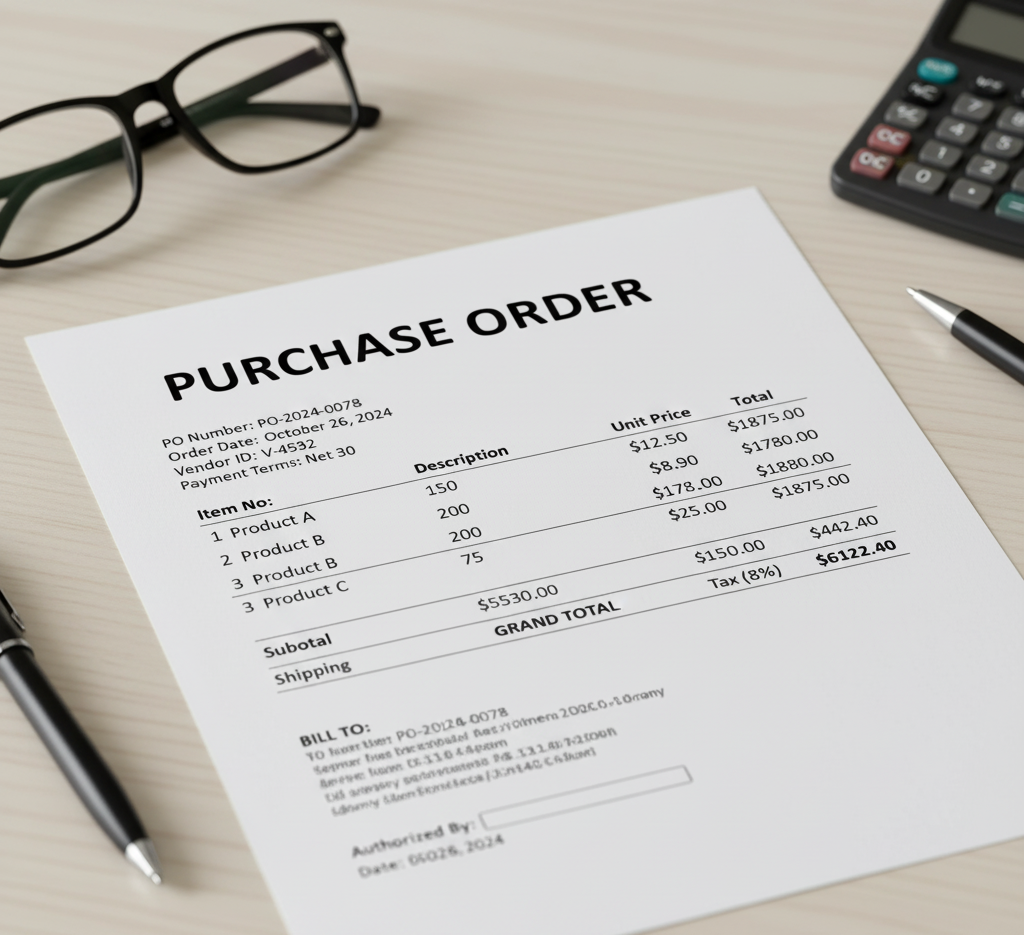
Before diving into the details, let’s quickly cover the basics: A PO is a document sent by a buyer to a vendor, specifying the products or services being ordered, quantities, prices, and other terms. Once the vendor accepts it (often by fulfilling the order or signing off), it becomes a contract. Including the right details not only clarifies the transaction but also aids in tracking, budgeting, and compliance.
Now, let’s get to the core: the must-have components of a PO form.
Essential Elements of a Purchase Order Form
To keep things organized, I’ve compiled the key elements into a table below. Each includes a brief explanation of why it’s crucial and tips for implementation. These are based on standard procurement guidelines and can be adapted for digital tools like PDF templates or procurement software.
| Element | Description | Why It Matters | Pro Tip |
|---|---|---|---|
| Purchase Order Number | A unique identifier (e.g., PO-2025-001) assigned to the order. | Enables easy tracking, referencing in communications, and integration with accounting systems. | Use sequential numbering or tie it to your ERP system for automation. |
| Buyer and Seller Information | Full details for both parties: company names, addresses, contact persons, phone numbers, and emails. | Ensures accurate invoicing, shipping, and legal accountability. | Include your company’s tax ID if applicable for international orders. |
| Dates | Order issue date, expected delivery date, and any shipping date. | Sets timelines to avoid delays and helps with inventory planning. | Specify time zones for global suppliers to prevent confusion. |
| Item Descriptions and Details | Line-by-line breakdown: item name, SKU/code, quantity, unit of measure, and detailed specs. | Prevents errors in fulfillment by clearly defining what’s being ordered. | Attach photos or spec sheets for complex items like custom machinery. |
| Pricing and Totals | Unit price, extended price per line, subtotal, taxes, discounts, and grand total. | Provides a clear financial picture and basis for invoice matching. | Break out taxes by jurisdiction and note any currency (e.g., USD). |
| Payment Terms | Due date, method (e.g., net 30 days), and any early payment discounts. | Outlines cash flow expectations and encourages prompt payment. | Reference your standard terms or negotiate specifics upfront. |
| Shipping and Delivery Instructions | Shipping method, “ship to” address, and any special handling notes (e.g., fragile). | Ensures goods arrive on time and in good condition. | Include tracking requirements or preferred carriers like FedEx. |
| Terms and Conditions | Clauses on warranties, returns, governing law, force majeure, and dispute resolution. | Protects against risks and sets legal boundaries for the transaction. | Customize based on industry—e.g., add quality standards for manufacturing. |
| Authorization Signature | Signature line for the buyer’s approver, with date and printed name. | Confirms internal approval and makes the PO binding upon vendor acceptance. | Use e-signatures for speed in digital workflows. |
This structure keeps your PO concise yet thorough—aim for a one- or two-page format to maintain readability.
Best Practices for Implementation
Go Digital: Procurement platforms like Lasso provide standardized templated allow for customizable templates with auto-population of fields to reduce human error.
Review and Approve: Always have a multi-level approval process to catch issues early.
Customize by Industry: For services (vs. goods), emphasize deliverables and milestones; for high-value items, add inspection clauses.
By including these elements, your PO forms will not only facilitate smoother transactions but also build stronger vendor relationships. If you’re starting from scratch, grab a free template online and tweak it to fit your needs.
Turning Purchase Orders into Actionable Insights
While purchase orders are foundational for executing transactions, they also represent a rich and often underutilized source of data. Every PO captures structured information—supplier performance, pricing trends, order frequency, lead times, and demand patterns—that can be transformed into powerful operational insights when analyzed effectively.
By aggregating PO data over time, organizations can identify purchasing trends such as seasonality in demand, shifts in supplier pricing, and opportunities for volume consolidation. For example, analyzing historical unit costs across suppliers can uncover pricing inconsistencies or negotiation opportunities, while lead time analysis can highlight which vendors consistently meet (or miss) delivery expectations. Additionally, PO data can support spend categorization, enabling businesses to understand where money is being allocated and identify areas for cost optimization or strategic sourcing.
Beyond cost and supplier insights, PO analytics also improve internal planning. Procurement teams can better forecast demand, align purchasing with production schedules, and reduce excess inventory or stockouts. When integrated with inventory and production data, PO insights become even more powerful—connecting purchasing decisions directly to operational outcomes like throughput and service levels.
Enabling PO Analytics with Lasso Consulting Services
For many SMB manufacturers, the challenge isn’t the lack of PO data—it’s the fragmentation and inaccessibility of that data across spreadsheets, ERP systems, and emails. This is where Lasso’s consulting services play a critical role in unlocking value.
Lasso works with organizations to centralize and structure PO data, creating a single source of truth that enables consistent analysis. This includes designing data models that standardize key fields (supplier names, item categories, pricing units), implementing automated data pipelines, and integrating procurement data with other operational systems. From there, Lasso develops intuitive dashboards and reporting tools that surface real-time insights—such as supplier scorecards, spend breakdowns, and lead time variability—without requiring advanced technical expertise from internal teams.
More importantly, Lasso goes beyond just reporting. The team partners with clients to embed these insights into day-to-day procurement workflows—enabling data-driven supplier negotiations, proactive risk management, and continuous improvement initiatives. The result is a procurement function that evolves from reactive order processing to a strategic driver of cost savings, efficiency, and resilience.