

May 7, 2026
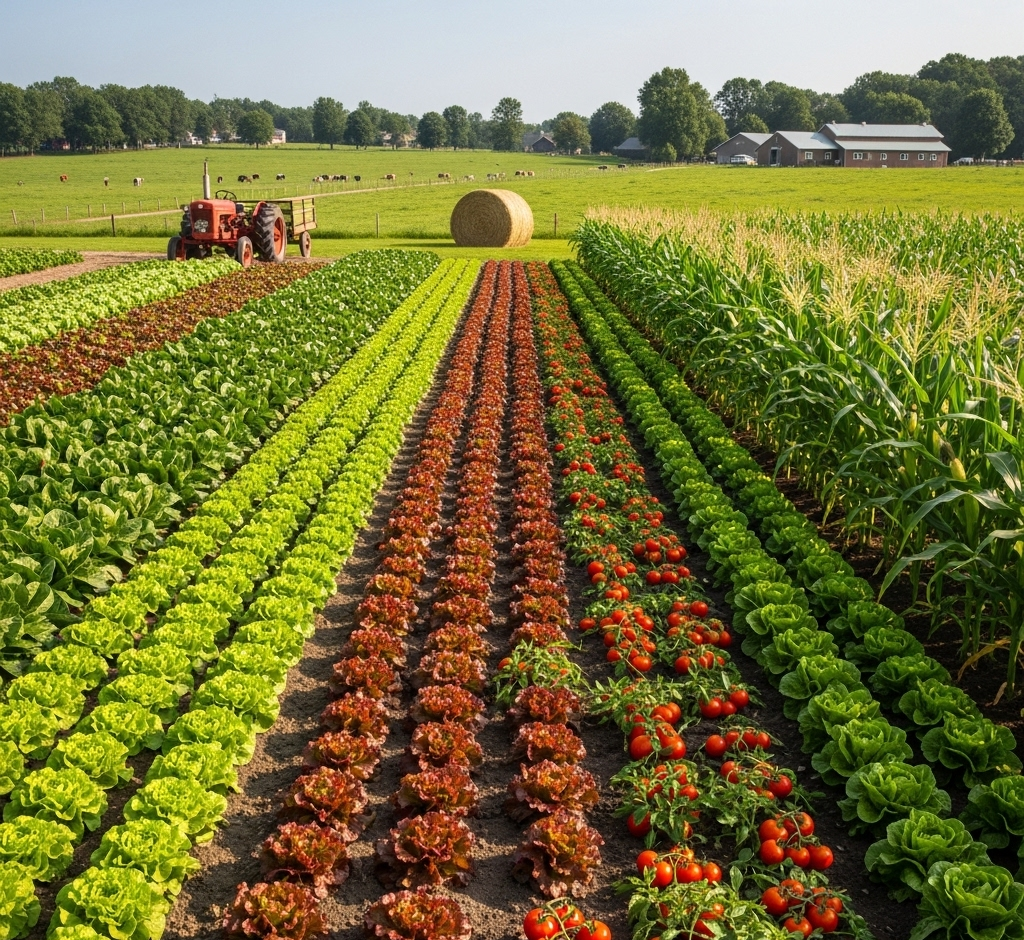
Procurement in the food and beverage industry is a complex process that requires careful planning, strategic execution, and adaptability to ensure quality, cost-efficiency, and compliance with regulations. From sourcing raw ingredients to managing supply chains, procurement professionals face unique challenges while striving to meet consumer demands and maintain sustainability. Below, I outline key strategies, best practices, and challenges in food and beverage procurement.
Supplier Diversification
To mitigate risks such as supply chain disruptions or price volatility, businesses should diversify their supplier base. Sourcing from multiple suppliers across different regions reduces dependency on a single source and ensures continuity during unforeseen events like natural disasters or geopolitical issues.
Sustainable Sourcing
Consumers increasingly demand ethically sourced and environmentally friendly products. Procurement teams should prioritize suppliers who adhere to sustainable practices, such as organic farming, fair trade certifications, or low-carbon logistics. Building long-term partnerships with such suppliers enhances brand reputation and aligns with market trends.
Technology Integration
Leveraging technology, such as procurement software and data analytics, streamlines processes like supplier selection, inventory management, and demand forecasting. Tools like ERP (Enterprise Resource Planning) systems or blockchain for traceability improve transparency and efficiency in the supply chain.
Local and Seasonal Sourcing
Sourcing locally or seasonally reduces transportation costs, supports local economies, and ensures fresher ingredients. This strategy also aligns with consumer preferences for farm-to-table or regionally produced goods.
Collaborative Supplier Relationships
Building strong, transparent relationships with suppliers fosters trust and improves reliability. Regular communication, joint planning, and performance reviews help align goals and ensure consistent quality and delivery.
Quality Assurance and Compliance
Food safety is non-negotiable. Procurement teams must ensure suppliers comply with regulations like FDA standards, HACCP (Hazard Analysis and Critical Control Points), or ISO 22000. Conducting regular audits and requiring certifications minimizes risks of contamination or recalls.
Cost Optimization Without Compromising Quality
Negotiating contracts that balance cost and quality is critical. Bulk purchasing, long-term contracts, or group purchasing organizations (GPOs) can reduce costs while maintaining standards. However, cutting corners on quality can harm brand reputation and customer trust.
Inventory Management
Just-in-time (JIT) inventory practices minimize waste, especially for perishable goods. Accurate demand forecasting, supported by data analytics, prevents overstocking or stockouts, ensuring fresh products reach consumers.
Traceability and Transparency
Implementing systems to track ingredients from source to shelf ensures accountability and quick response to issues like recalls. Blockchain technology, for instance, provides an immutable record of a product’s journey, enhancing consumer trust.
Risk Management Planning
Develop contingency plans for supply chain disruptions, such as alternative suppliers or backup logistics. Scenario planning and stress-testing supply chains help businesses respond swiftly to crises like pandemics or trade restrictions.
Supply Chain Volatility
The food and beverage industry is highly susceptible to disruptions from weather events, global trade issues, or labor shortages. For example, droughts can affect crop yields, while port delays can disrupt imports, leading to shortages or price spikes.
Regulatory Compliance
Navigating complex and evolving regulations across regions is a significant challenge. For instance, differing standards for food safety, labeling, or organic certifications between countries can complicate international sourcing.
Sustainability Pressures
Balancing sustainability goals with cost and efficiency is difficult. Sustainable practices, like eco-friendly packaging or carbon-neutral logistics, often come with higher upfront costs, which can strain budgets, especially for smaller businesses.
Perishability and Waste
Many food and beverage products have short shelf lives, making inventory management critical. Over-purchasing leads to waste, while under-purchasing risks stockouts, both of which impact profitability.
Rising Costs and Price Volatility
Fluctuations in commodity prices, driven by factors like climate change or global demand, challenge cost predictability. Procurement teams must navigate these fluctuations while maintaining budget constraints.
In the food and beverage industry, procurement strategy must constantly balance cost, quality, freshness, and compliance—all within a highly volatile environment. Data analytics plays a critical role in enabling smarter, more adaptive procurement strategies by turning fragmented data into actionable insights.
By analyzing historical purchasing data, supplier performance, commodity price trends, and demand patterns, procurement teams can make more informed sourcing decisions. For example, analytics can identify which suppliers consistently deliver on time and meet quality standards, helping teams prioritize high-performing partners. At the same time, spend analytics can uncover opportunities for cost savings—such as consolidating purchases, renegotiating contracts, or shifting volume to more competitive suppliers.
Analytics also enhances strategic planning by providing visibility into key risk factors. Procurement teams can monitor price volatility for commodities like dairy, grains, or produce and proactively adjust sourcing strategies—such as locking in pricing, diversifying suppliers, or shifting to seasonal alternatives. Additionally, integrating inventory and demand data allows teams to better align procurement with production needs, reducing waste from over-ordering perishable goods while avoiding costly stockouts.
Ultimately, analytics transforms procurement from a reactive function into a proactive, strategic driver—enabling better decisions that balance cost efficiency, supply reliability, and product quality.
While the value of analytics is clear, many food and beverage organizations struggle to implement it effectively due to siloed data, manual processes, and limited internal resources. Lasso’s consulting services are designed to help companies overcome these challenges and build a scalable, analytics-driven procurement function.
Lasso begins by centralizing procurement, supplier, and inventory data into a unified platform—creating a single source of truth across the organization. This includes standardizing supplier data, categorizing spend, and integrating external data sources like commodity price indices. With this foundation in place, Lasso develops customized dashboards and reporting tools that provide real-time visibility into procurement performance, including supplier reliability, cost trends, and inventory health.
Beyond reporting, Lasso helps embed analytics directly into procurement workflows. This includes building supplier scorecards, implementing demand-driven purchasing models, and creating alert systems for risks like price spikes or supply disruptions. Lasso also supports advanced use cases, such as scenario planning for commodity volatility and optimization models for supplier allocation.
Equally important, Lasso focuses on adoption—working closely with procurement and operations teams to ensure these tools are intuitive, actionable, and integrated into daily decision-making. The result is a more agile, data-driven procurement organization that can navigate industry challenges with confidence—reducing costs, minimizing waste, and ensuring consistent product quality in a highly competitive market.
© 2025 Lasso Supply Chain Software LLC
