Predictive Analytics in Manufacturing & Supply Chain
What is Predictive Analytics in Manufacturing & Supply Chain?
Predictive analytics is the process of using historical and real-time data, statistical algorithms, and machine learning models to forecast future outcomes with a high degree of probability.
Instead of reacting to breakdowns, stockouts, or quality issues after they occur, you use patterns in your data (machine sensor readings, ERP transactions, supplier performance, weather, market signals, etc.) to anticipate them days or weeks in advance.
Think of it as giving your factory a crystal ball—one that’s grounded in math, not magic. The core ingredients are:
Actionable outputs delivered via dashboards, alerts, or automated workflows
When applied to manufacturing and supply chains, it turns raw operational data into foresight.
Key Applications of Predictive Analytics for SMB Manufacturers
Manufacturing and supply chain teams are seeing the fastest ROI in these high-impact areas:
Predictive Maintenance Sensors on CNC machines, presses, conveyors, and pumps feed data into models that predict failures before they happen. Result: unplanned downtime drops 30–50%, and maintenance costs fall 18–25% while equipment lifespan extends.
Demand Forecasting & Production Planning Models ingest sales history, promotions, economic indicators, and even social sentiment to predict customer demand with 20–50% greater accuracy than traditional methods. This prevents overproduction (waste) and stockouts (lost sales).
Quality Control & Defect Prediction Real-time analysis of process parameters (temperature, pressure, vibration) flags potential defects before parts leave the line—reducing scrap and rework dramatically.
Inventory & Supply Chain Optimization Predict supplier delays, transportation bottlenecks, or raw-material price swings. Organizations routinely achieve 15–25% inventory cost reductions and 8–15% logistics savings through smarter routing and safety-stock levels.
Energy & Resource Optimization Forecast peak energy usage and optimize schedules to cut utility bills and support sustainability goals.
These aren’t theoretical—manufacturers using these applications report measurable gains in weeks, not years.
Why Predictive Analytics Matters to SMB Manufacturers
With predictive analytics, you are no longer looking at metrics after the fact and trying to hypothesize and diagnose later. Instead, manufacturing teams can take action in real-time to influence desirable business outcomes.
Cost Savings: Reduced maintenance, lower inventory carrying costs, and minimized scrap add up fast. Many manufacturers see full payback on their predictive analytics investment within 6–12 months.
Uptime & Throughput: Cutting unplanned downtime by even 30% can add millions to the bottom line for mid-sized plants.
Resilience: In an era of geopolitical shocks, climate events, and labor shortages, the ability to see disruptions 2–4 weeks early is a competitive superpower.
Customer Satisfaction: On-time delivery rates climb while product quality improves—directly protecting margins and repeat business.
Strategic Advantage: SMBs that adopt predictive capabilities level the playing field against larger competitors who have been investing in analytics for years.
In short, predictive analytics doesn’t just optimize operations—it protects revenue, slashes risk, and accelerates growth.
Challenges of Predictive Analytics (and Why Many Initiatives Stall)
Despite the clear benefits, adoption isn’t automatic. Common roadblocks include:
Data Quality & Silos: Legacy ERP systems, disconnected shop-floor sensors, and spreadsheets create messy, incomplete datasets.
Integration with Legacy Equipment: Older machines often lack IoT connectivity; retrofitting takes time and capital.
Skills Gap: Most SMBs don’t have data scientists on staff, and hiring one is expensive.
Upfront Investment: Sensors, infrastructure, and model development can feel daunting for smaller budgets.
Change Management: Operators and planners must trust (and act on) model recommendations.
Security & Compliance: Manufacturing data is sensitive; cloud solutions must meet ITAR, cybersecurity, and privacy standards.
The good news? Cloud platforms and managed services have dramatically lowered these barriers for SMBs.
How to Implement Predictive Analytics with Cloud Data Platforms at an SMB Manufacturer
SMB manufacturers don’t need a million-dollar data center or a 10-person analytics team. Modern cloud data platforms let you start small, scale fast, and pay only for what you use. Here’s a proven, low-risk implementation roadmap:
Assess & Prepare Your Data Inventory existing sources: IoT sensors (or plan to add low-cost ones), ERP/MRP, CRM, supplier portals. Identify the top 1–2 use cases with clearest ROI (usually predictive maintenance or demand forecasting).
Choose & Set Up Your Cloud Data Foundation Popular, manufacturer-friendly options:
AWS: S3 data lake + Glue for ETL + SageMaker for ML models. Excellent IoT integration via SiteWise.
Microsoft Azure: Azure Data Factory + Synapse Analytics + Azure Machine Learning. Seamless if you already use Microsoft 365 or Dynamics.
Google Cloud: BigQuery + Vertex AI. Great for advanced analytics and AutoML (less coding required).
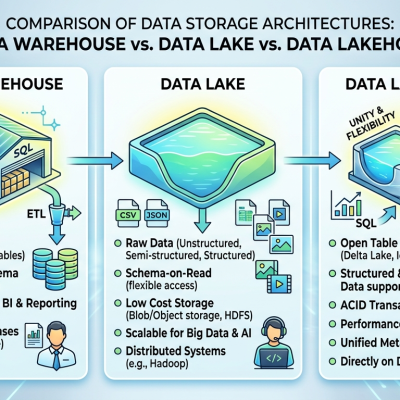
Many SMBs also layer on Snowflake or Databricks for a cloud-agnostic data warehouse/lakehouse.
Ingest & Integrate Data Use managed connectors to pull ERP data and stream sensor readings in real time. Serverless pipelines (AWS Glue, Azure Data Factory) handle cleaning and transformation without managing servers.
Build & Train Models Start with AutoML tools so business analysts (not PhDs) can create working models. For custom needs, use pre-built templates for predictive maintenance or forecasting. Train on historical data, validate against recent outcomes, and set up retraining schedules.
Deploy & Operationalize Embed predictions into existing workflows: alerts in Microsoft Teams or Slack, dashboards in Power BI/Tableau QuickSight, or automated work orders in your CMMS. Use edge computing for real-time decisions on the shop floor.
Monitor, Iterate & Scale Cloud platforms provide built-in monitoring (model drift alerts, performance dashboards). Start with a pilot on one production line or product family, prove ROI, then expand.
Typical timeline for first value: 8–16 weeks. Total first-year cost for small and mid-sized manufacturers can potentially be as low as a few hundred dollars per month when using pay-as-you-go cloud services and a knowledgeable partner—far less than building everything in-house.
Final Note: Make Predictive Analytics Simple with Lasso
The difference between a successful predictive analytics rollout and a stalled pilot often comes down to execution—clean data pipelines, secure cloud architecture, and models that actually fit your processes.
That’s where Lasso comes in. We specialize in helping SMB manufacturers implement robust cloud infrastructure and seamlessly deploy predictive models tailored to real-world operations. From IoT sensor integration and data lake setup to production-ready ML models and ongoing optimization, our team handles the heavy technical lifting so you can focus on running your plant and growing your business.
Ready to turn your data into foresight and your operations into a competitive advantage? Reach out to Lasso today. Let’s build the predictive foundation your manufacturing and supply chain deserve—efficient, scalable, and built for the long haul.