
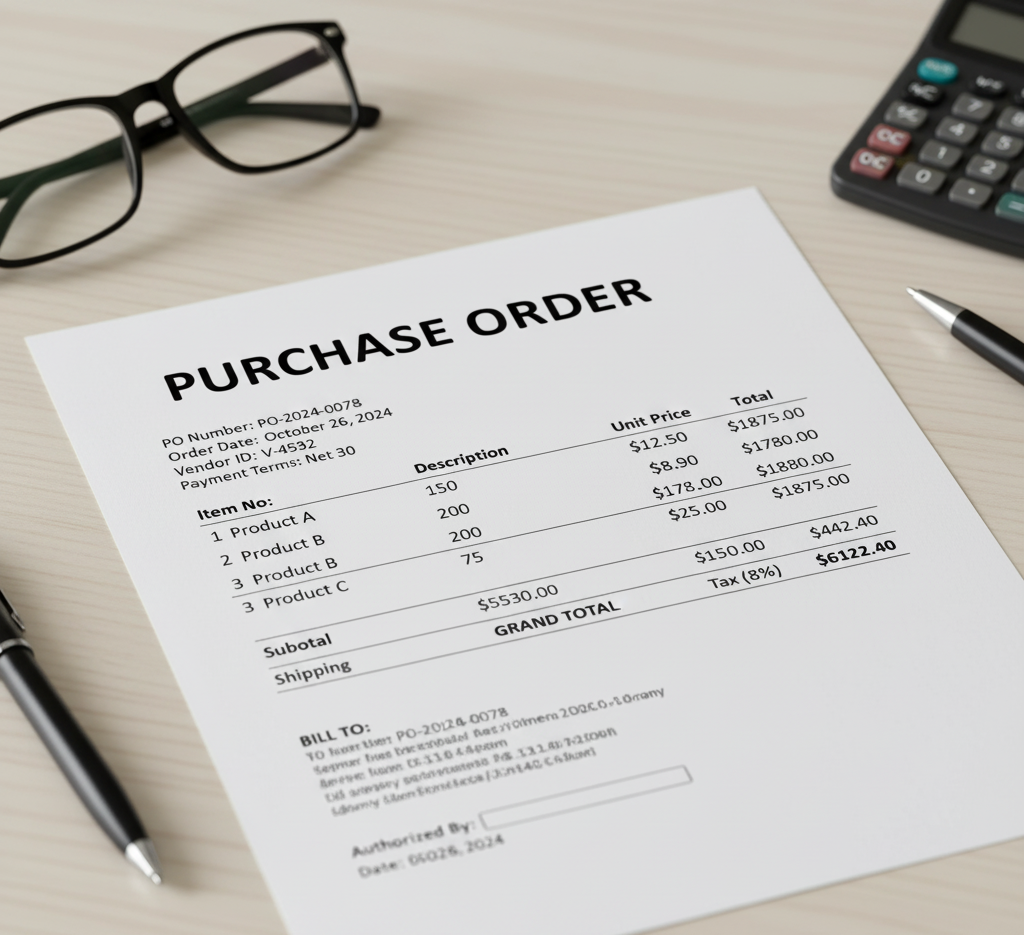
In the fast-paced world of business procurement, a purchase order (PO) form is more than just paperwork—it’s a legally binding agreement that protects both buyer and seller, streamlines operations, and ensures clear expectations. Whether you’re a small business owner ordering office supplies or a procurement manager handling bulk inventory, getting the PO right can prevent costly misunderstandings, delays, and disputes. But what exactly goes into a solid PO form? In this post, we’ll break down the essential elements, drawing from best practices to help you create one that’s comprehensive and effective.
Why a Well-Crafted PO Matters
Before diving into the details, let’s quickly cover the basics: A PO is a document sent by a buyer to a vendor, specifying the products or services being ordered, quantities, prices, and other terms. Once the vendor accepts it (often by fulfilling the order or signing off), it becomes a contract. Including the right details not only clarifies the transaction but also aids in tracking, budgeting, and compliance.
Now, let’s get to the core: the must-have components of a PO form.
Essential Elements of a Purchase Order Form
To keep things organized, I’ve compiled the key elements into a table below. Each includes a brief explanation of why it’s crucial and tips for implementation. These are based on standard procurement guidelines and can be adapted for digital tools like PDF templates or procurement software.
| Element | Description | Why It Matters | Pro Tip |
|---|---|---|---|
| Purchase Order Number | A unique identifier (e.g., PO-2025-001) assigned to the order. | Enables easy tracking, referencing in communications, and integration with accounting systems. | Use sequential numbering or tie it to your ERP system for automation. |
| Buyer and Seller Information | Full details for both parties: company names, addresses, contact persons, phone numbers, and emails. | Ensures accurate invoicing, shipping, and legal accountability. | Include your company’s tax ID if applicable for international orders. |
| Dates | Order issue date, expected delivery date, and any shipping date. | Sets timelines to avoid delays and helps with inventory planning. | Specify time zones for global suppliers to prevent confusion. |
| Item Descriptions and Details | Line-by-line breakdown: item name, SKU/code, quantity, unit of measure, and detailed specs. | Prevents errors in fulfillment by clearly defining what’s being ordered. | Attach photos or spec sheets for complex items like custom machinery. |
| Pricing and Totals | Unit price, extended price per line, subtotal, taxes, discounts, and grand total. | Provides a clear financial picture and basis for invoice matching. | Break out taxes by jurisdiction and note any currency (e.g., USD). |
| Payment Terms | Due date, method (e.g., net 30 days), and any early payment discounts. | Outlines cash flow expectations and encourages prompt payment. | Reference your standard terms or negotiate specifics upfront. |
| Shipping and Delivery Instructions | Shipping method, “ship to” address, and any special handling notes (e.g., fragile). | Ensures goods arrive on time and in good condition. | Include tracking requirements or preferred carriers like FedEx. |
| Terms and Conditions | Clauses on warranties, returns, governing law, force majeure, and dispute resolution. | Protects against risks and sets legal boundaries for the transaction. | Customize based on industry—e.g., add quality standards for manufacturing. |
| Authorization Signature | Signature line for the buyer’s approver, with date and printed name. | Confirms internal approval and makes the PO binding upon vendor acceptance. | Use e-signatures for speed in digital workflows. |
This structure keeps your PO concise yet thorough—aim for a one- or two-page format to maintain readability.
Best Practices for Implementation
Go Digital: Procurement platforms like Lasso provide standardized templated allow for customizable templates with auto-population of fields to reduce human error.
Review and Approve: Always have a multi-level approval process to catch issues early.
Customize by Industry: For services (vs. goods), emphasize deliverables and milestones; for high-value items, add inspection clauses.
By including these elements, your PO forms will not only facilitate smoother transactions but also build stronger vendor relationships. If you’re starting from scratch, grab a free template online and tweak it to fit your needs.


