
Procurement is no longer just about cost-cutting or securing supplies; it’s a strategic function that drives value, innovation, and sustainability.
Procurement is no longer just about cost-cutting or securing supplies; it’s a strategic function that drives value, innovation, and sustainability.
From fluctuating demand to supply disruptions caused by geopolitical tensions or natural disasters, the need for agile and resilient supply chains has never been more critical.
This approach goes beyond traditional procurement by focusing on long-term supplier relationships, cost optimization, and risk mitigation to drive competitive advantage.
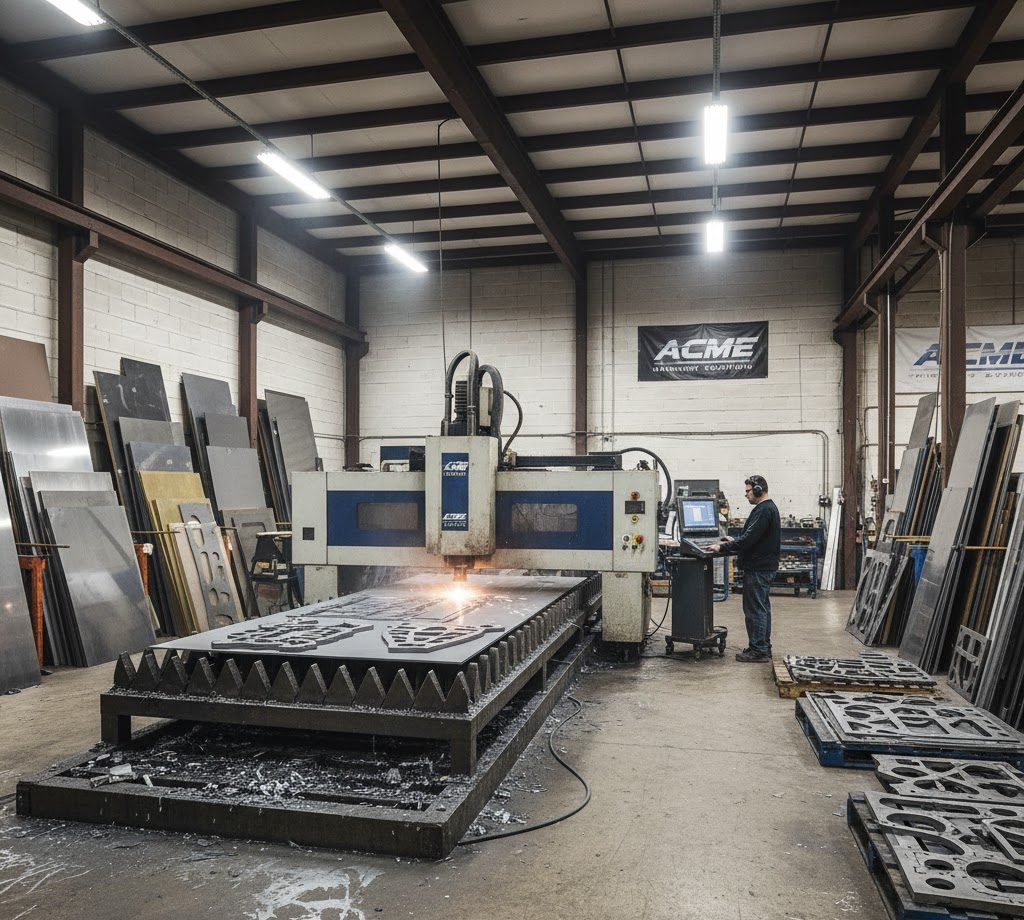
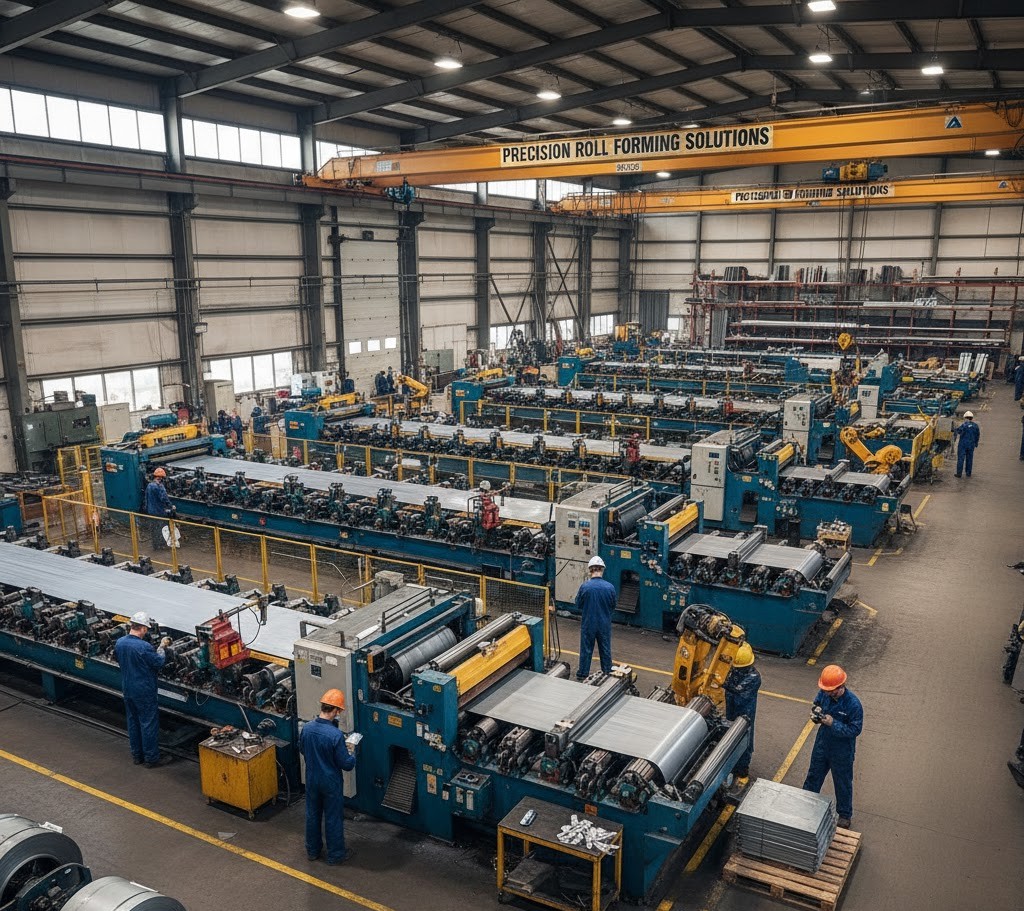
In the competitive world of custom metal forming, where precision and efficiency are paramount, aligning procurement strategies with production goals can be the difference between thriving and merely surviving.
Procurement—the process of sourcing raw materials, components, and services—typically accounts for a significant portion of operational costs.
From fluctuating raw material costs to unpredictable demand, maintaining operational efficiency is crucial for survival and growth.
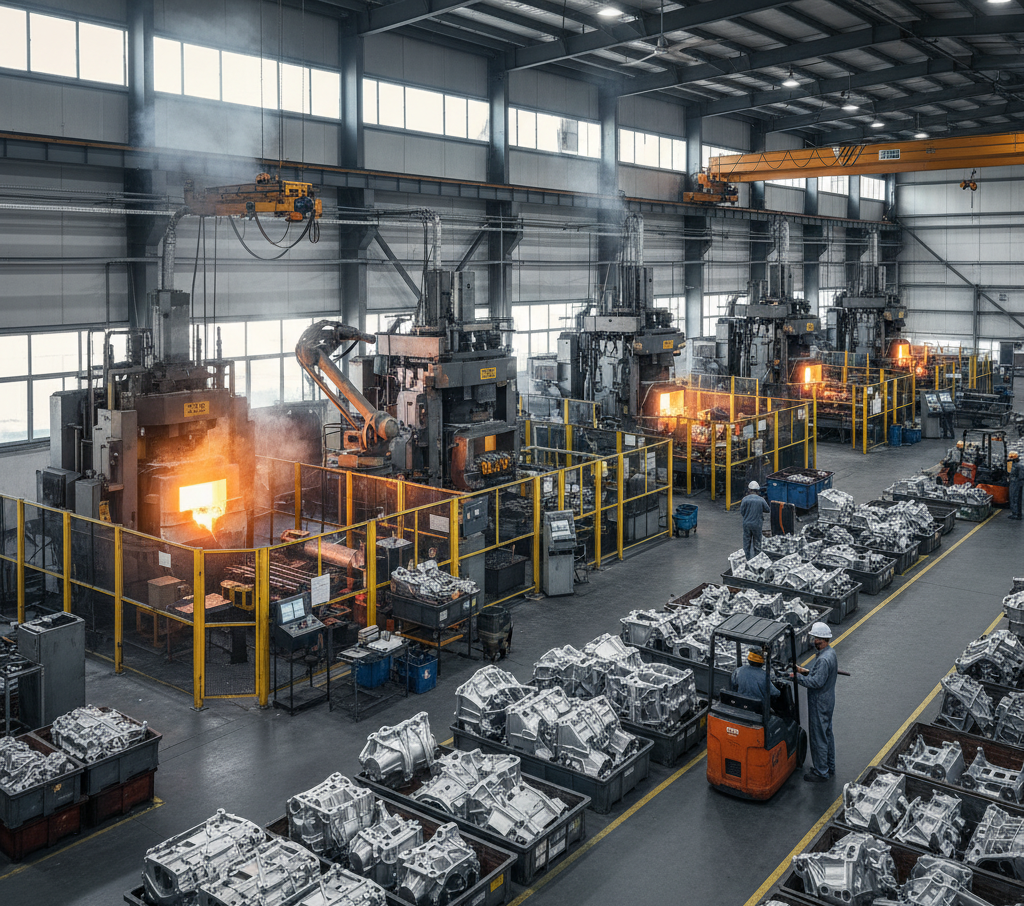
With rising raw material prices, supply chain disruptions, and the shift toward electric vehicles (EVs), strategic sourcing emerges as a game-changer.
At its core, a purchase requisition is an internal document that formally requests the procurement of goods or services. It details what is needed, why it's needed, the quantity, estimated cost, and preferred suppliers.
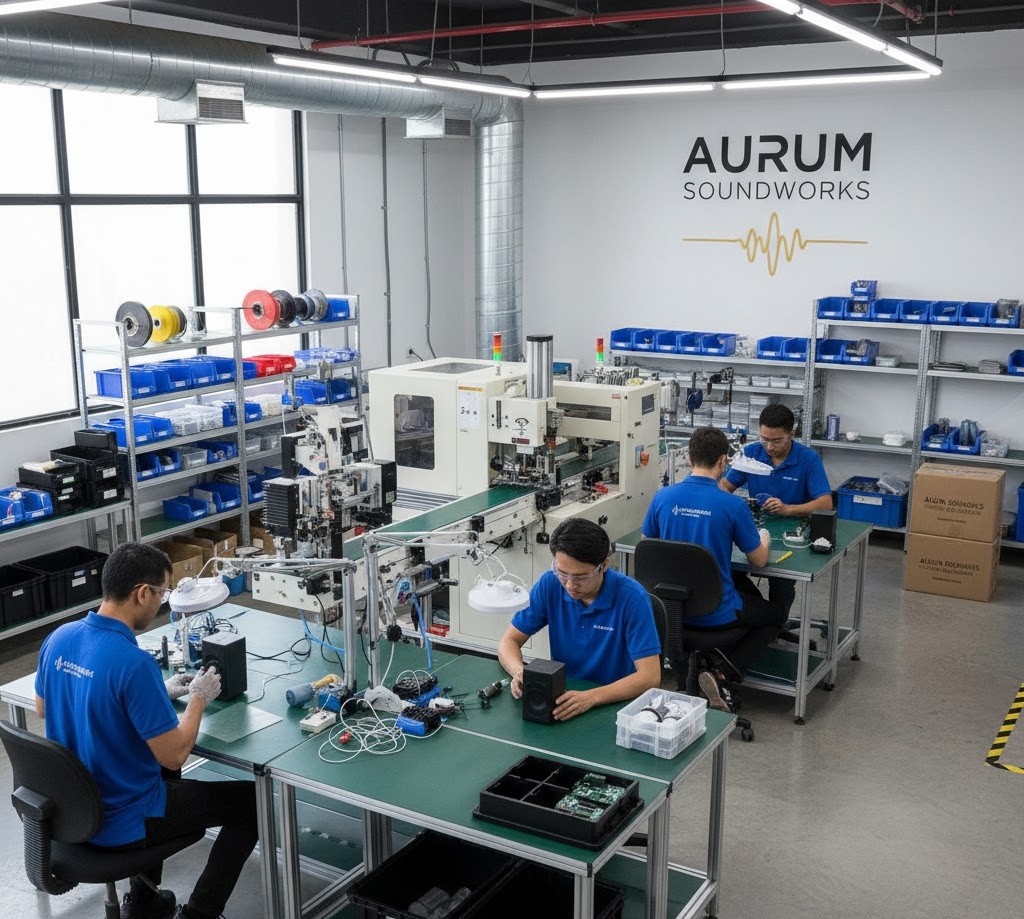
In the fast-paced world of small and medium-sized business (SMB) manufacturing, where margins are tight and supply chains are under constant pressure, procurement isn't just about buying parts—it's the backbone of operational resilience.
In an era where global disruptions—from pandemics to geopolitical tensions—strike with little warning, supply chain leaders face a high-stakes