
Managing suppliers effectively is critical for businesses aiming to maintain operational efficiency, cost control, and strong partnerships.
Managing suppliers effectively is critical for businesses aiming to maintain operational efficiency, cost control, and strong partnerships.
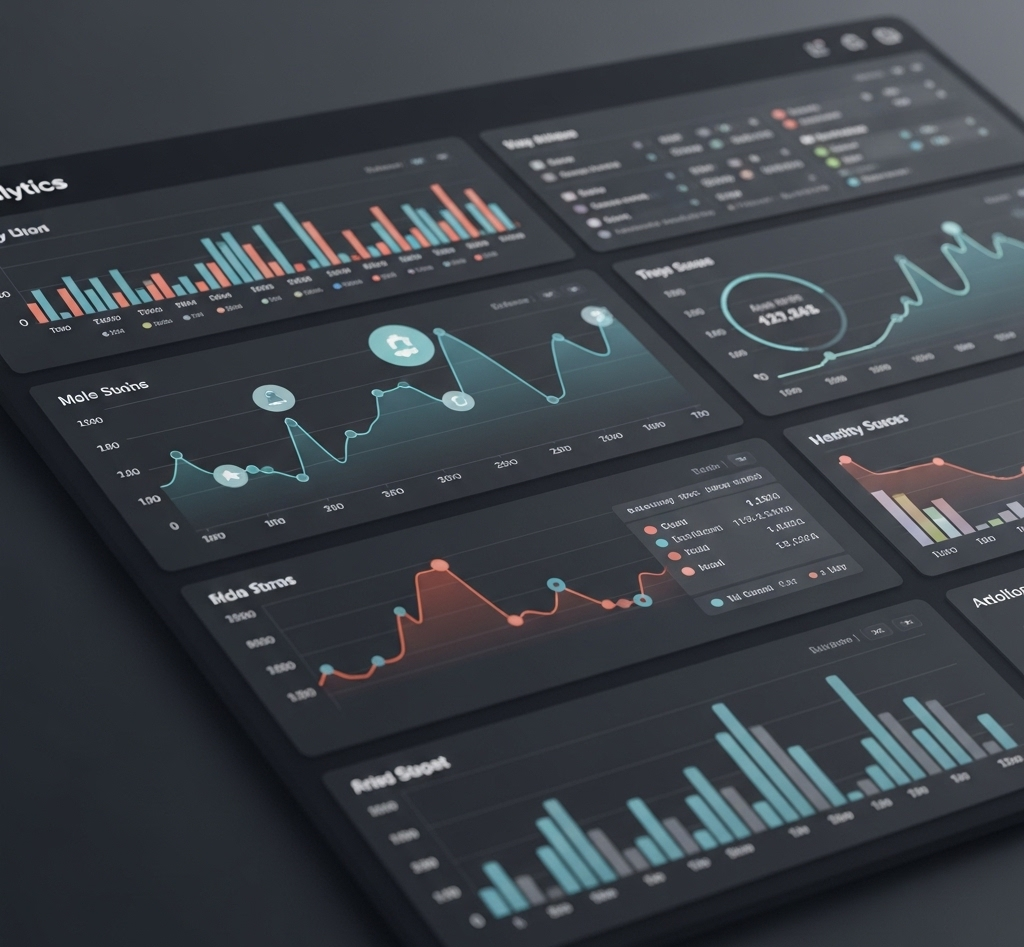
Supplier management dashboards have emerged as powerful tools for tracking performance metrics, enabling organizations to optimize their supply chain operations.
In the dynamic world of retail and supply chain management, category management has evolved from a reactive, intuition-driven process to a data-powered discipline.
A dual-sourcing strategy—procuring critical electronic components from two or more suppliers—offers a robust solution to mitigate risks, ensure continuity, and maintain competitive advantage.
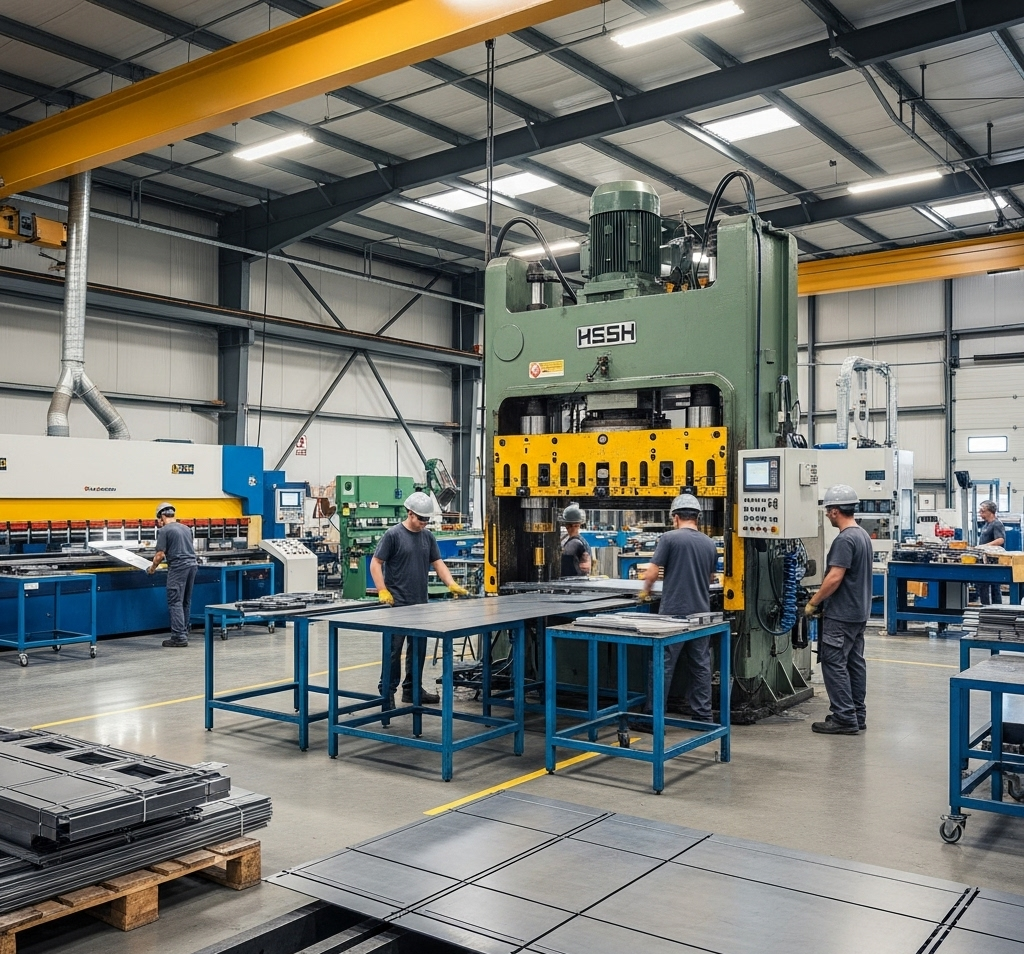
In the fabricated metals industry, where precision, quality, and reliability are paramount, strong supplier relationships can make or break a business.
Long-term supplier agreements are critical for ensuring a stable, cost-effective, and reliable supply chain in component sourcing.
Category management is a strategic approach to procurement and supply chain management that organizes products and services into distinct categories to streamline operations, enhance efficiency, and drive cost savings.
Supplier scorecards are essential tools for businesses to evaluate and manage supplier performance, ensuring quality, efficiency, and reliability in the supply chain.
In today's complex global supply chains, maintaining strong supplier relationships is critical for business success. However, not all suppliers perform to the expected standards, and underperformance can lead to operational disruptions, financial losses, and reputational damage.
Category managers have evolved from traditional roles focused on product assortment and inventory control into strategic business advisors who drive organizational success.